Nurani: The Handwritten Font That Makes Work Feel Playful
You have probably scrolled past a thousand clean, geometric typefaces today. Then something catches your eye—a wordmark that feels like a note from a friend, a headline that seems to have been scribbled with genuine enthusiasm. That shift in energy often comes from a font like Nurani. It does not try to be perfect, and that is precisely why it connects. Designers, small business owners, and content creators are rediscovering the power of human imperfection, and Nurani delivers exactly that in a friendly, approachable package.
What Nurani Brings to the Table
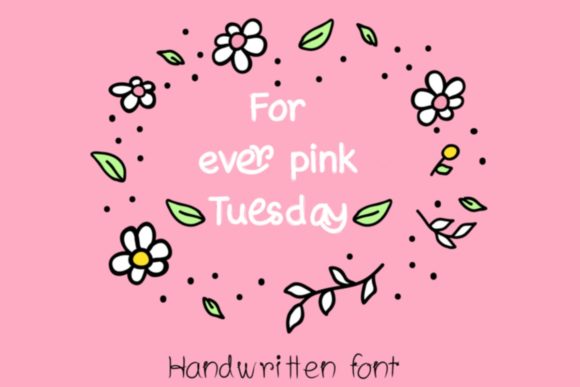
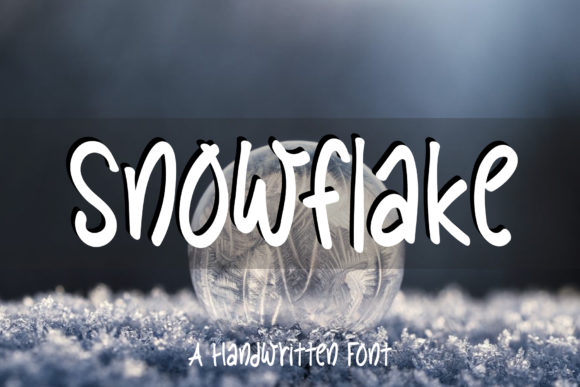
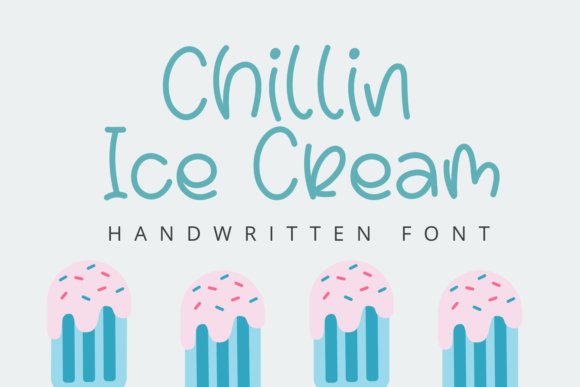
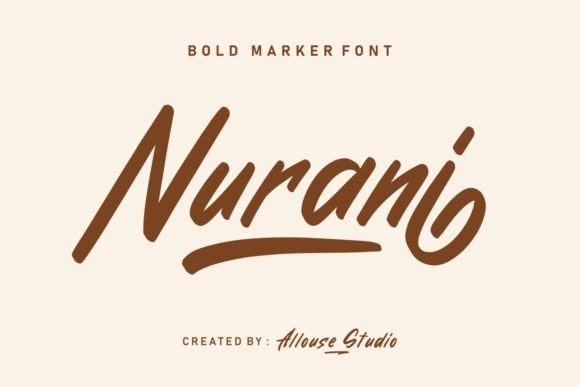
Nurani is a handwritten font that leans into its natural, unpolished character. The letterforms have a slight bounce—ascenders and descenders vary just enough to mimic real penmanship without sacrificing readability. Curves feel organic, strokes taper softly, and the overall rhythm avoids the mechanical stiffness of a traditional script. It is not a formal calligraphy style; it is the casual, warm handwriting of someone who is genuinely excited to share an idea.
One of the subtle strengths of Nurani is its emotional texture. Because the lines are not uniform, the text carries a sense of immediacy and personal touch. This makes it an excellent choice when you want to soften a message or signal that your brand does not take itself too seriously. Unlike many novelty fonts that can feel overbearing, Nurani remains legible at moderate sizes, striking a balance between flair and function.
Where Handwritten Charm Meets Real-World Projects
The versatility of Nurani surprises people. It fits into contexts that range from playful to professional, as long as a human element is welcome. Here are several practical applications where this font truly shines.
Branding That Builds Instant Rapport
Imagine a local coffee shop that replaces its stiff serif logo with a warm, handwritten name in Nurani. Suddenly the shop feels more inviting, as if the owner personally signed every cup. For service-based businesses—bakers, florists, photographers, coaches—a handwritten font can soften the digital barrier. When your brand voice is empathetic and down-to-earth, a typeface like Nurani reinforces that personality before anyone reads a single word.
Use it for:
- Logo wordmarks for lifestyle, craft, or food brands
- Product packaging labels, especially for handmade or organic goods
- Thank-you cards and loyalty program materials
- Social media quote graphics that feel personal rather than mass-produced
Educational and Classroom Resources
Teachers and educational content creators often struggle to find fonts that are approachable for young learners yet clear enough for worksheets. Nurani’s letter shapes are open and friendly, making it a fantastic choice for headings, instructions, and classroom decor. Because it mimics print handwriting, it can even help bridge the gap for children learning letter formation—though it is worth noting that for formal handwriting instruction, a specific font with consistent stroke patterns might be more appropriate. For everything else, from bulletin boards to digital escape room clues, Nurani adds a dash of fun without compromising clarity.
Creative Hobbyists and DIY Projects
If you design invitations, scrapbook pages, or printable party kits, you know how hard it is to find a font that feels fresh and not overused. Nurani stands out because its personality is upbeat yet not childish. It works beautifully on birthday banners, baby shower games, or even custom stickers. When you layer it over a watercolor background or combine it with simple illustrations, the result looks like a custom piece you spent hours hand-lettering—minus the hand cramps.
Elevating Digital Content Without Losing Clarity
Bloggers, YouTubers, and social media managers face a constant battle for attention. A handwritten font used strategically can increase engagement, especially when it appears in thumbnails, pinned graphics, or story highlights. Nurani’s organic shapes create visual contrast against the flat, polished look of most interfaces. It signals that a human being is behind the content, not a template.
Consider these digital use cases:
- Header text for blog posts that cover lifestyle, wellness, or personal development topics
- Quote overlays on Instagram Stories or Pinterest pins
- YouTube end screen calls-to-action where a casual invitation outperforms a formal button
- Email newsletter headers to add a personal touch before readers even open the message
One thing to keep in mind: Nurani works best as an accent font, not for long-form body text. At smaller sizes below 14px, the irregular strokes might slow down reading speed. Pair it with a clean sans-serif like Open Sans, Montserrat, or Lato for paragraphs, and let Nurani handle the headlines, subheadings, and standout phrases. This combination maintains professionalism while injecting warmth exactly where it matters most.
How Nurani Improves Emotional Connection and Brand Recall
In a landscape saturated with minimalist design, small touches of humanity go a long way. Research on visual perception suggests that readers process handwritten-style text more slowly, but that slower processing often leads to stronger memory encoding. In other words, when someone sees a message set in Nurani, they are likely to remember it better than the same words in a neutral sans-serif. For a brand, that translates to higher recall and a deeper emotional bond.
A practical example: a freelance wellness coach sends out a weekly email with tips. The subject line might be in plain text, but the hero image containing the week’s mantra in Nurani becomes instantly recognizable. Subscribers begin to associate that friendly handwriting with the coach’s supportive voice. Over time, the font itself becomes a signature element—no logo required.
Practical Considerations Before You Start Using Nurani
Like any design asset, a handwritten font demands thoughtful application. Here are a few recommendations to get the most out of Nurani while avoiding common pitfalls.
Licensing and File Formats
Always verify the license terms. Most quality handwritten fonts allow use in personal and commercial projects, but some may restrict embedding in applications or redistribution. If you plan to use Nurani in a logo that will be trademarked, check for standard license options or extended permissions. The font typically comes in OTF or TTF formats, which work across all major design software including Adobe Illustrator, Canva, Figma, and even Word processors.
Legibility and Contrast
Because Nurani’s strokes are thinner in some areas, ensure adequate background contrast. A light gray text on white can wash out the delicate lines, making it hard to read. For digital screens, opt for a font weight that is crisp and render the text at a comfortable size—usually 18px or above for headers. When printing, test on your paper stock since uncoated papers may slightly absorb the ink and soften the edges; a tiny stroke adjustment in your design software can compensate.
Pairing Strategies
To let Nurani shine without overwhelming the viewer, limit it to one or two uses per design. Good pairings include:
- Nurani + a geometric sans-serif: Creates a balanced, modern feel with a human counterpoint.
- Nurani + a classic serif: For invitations or editorial layouts, this pairing feels timeless and artisanal.
- Nurani alone as a design element: Use it for a single focal word or quote, surrounded by white space, to let its personality breathe.
Real-World Scenarios That Benefit from Nurani
To move beyond theory, here are a few specific situations where adding Nurani transformed the outcome:
The artisan candle maker who switched her product labels from a generic script to Nurani saw customer comments mentioning how the label “feels like a gift from a friend.” The handwritten ingredient list on the side, set in a smaller size, was still legible while matching the cozy brand aesthetic.
A career coach redesigned her workbook for clients using Nurani for section headers and motivational callouts. Participants later said the materials felt less like corporate forms and more like personal journaling prompts, which increased completion rates.
An online plant shop uses Nurani in their “care card” inserts—small cards that accompany each plant with watering and light instructions. The handwritten style reinforces the nurturing, growth-minded identity of the brand, and customers frequently share photos of the cards on social media, effectively advertising the shop for free.
Making Your Ideas Stand Out Without Extra Effort
One of the quiet benefits of a well-chosen font is that it does much of the communication work for you. Nurani tells your audience that you value warmth, authenticity, and a touch of whimsy—before you write a single word of copy. For entrepreneurs who are not professional designers, this is a huge advantage. You can create a social media graphic in Canva using straightforward templates, but swap in Nurani for the title, and the graphic instantly feels more customized and intentional.
Similarly, if you are a blogger overwhelmed by the need to constantly produce fresh visual content, a recognizable handwritten header font becomes a visual anchor. Your regular readers will start to spot that familiar, friendly lettering and pause to read, even in a busy feed. That kind of passive brand building is invaluable over time.
Nurani does not demand that you overhaul your entire design system. It works incrementally. Start by introducing it in one place—perhaps your blog post titles or your Instagram quote cards—and observe the response. Most likely, you will notice a small but meaningful uptick in engagement and positive feedback about how your content “feels.” That is the subtle, consistent power of a font that carries genuine human energy.
Whether you are labeling a new product, crafting a heartfelt invitation, or building a brand that wants to be seen as approachable, Nurani offers a reliable way to infuse your work with handcrafted sincerity. It reminds people that behind every screen, post, or package, there is a real person with something to say. And sometimes, that is the most effective design decision you can make.