Discover the Photography Font: A Sweet, Quirky Handwritten Typeface for Every Creative Project
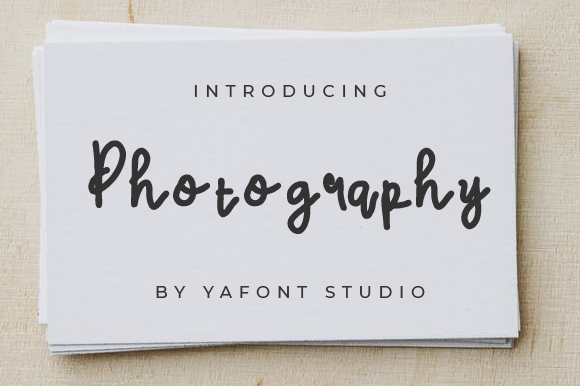
Typography is the silent ambassador of design. It speaks before a single word is read, setting a mood, shaping perceptions, and guiding the reader through a visual journey. Among the thousands of fonts available to designers, crafters, and content creators, there is one style that never loses its charm: the handwritten font. And within that beloved category sits a gem named Photography—a cute, sweet, and slightly quirky handwritten font that brings warmth, personality, and approachability to any creation it touches.
Whether you are designing a wedding invitation, building a brand identity, crafting social media graphics, or putting together a school project, the right font can make all the difference. The Photography font offers something rare: a balance between playful informality and genuine legibility. In this article, we will explore typography from the ground up, understand what makes handwritten fonts so enduringly popular, take a close look at the Photography font itself, and discover how you can use it to elevate your creative work.
Understanding Typography and Why Fonts Matter
At its core, typography is the art and technique of arranging type to make written language legible, readable, and visually appealing. It is a discipline that stretches back centuries, from the meticulous work of medieval scribes to the invention of the printing press by Johannes Gutenberg, and now into the digital age where thousands of fonts are available at the click of a button.
Fonts are more than just letters. They carry emotional weight. A bold, geometric sans-serif font projects confidence and modernity. An elegant serif font suggests tradition, reliability, and sophistication. A handwritten font, by contrast, feels human. It carries the imperfections, the warmth, and the individuality of real penmanship. This is why handwritten fonts like Photography have become so essential in modern design—they bridge the gap between the digital and the personal.
When you choose a font, you are making a decision about how your message will be received. A corporate report set in a playful handwritten script would feel jarring and unprofessional. Conversely, a birthday card set in a cold, mechanical typeface would miss the mark entirely. The Photography font occupies a sweet spot: it is casual enough to feel friendly and approachable, yet refined enough to be used in semi-professional contexts like boutique branding, blog headers, and promotional materials.
The Rise of Handwritten Fonts in the Digital Era
In an age dominated by screens, automation, and artificial intelligence, there is a growing hunger for authenticity. People crave connection. Handwritten fonts satisfy that craving by mimicking the natural flow of human handwriting—the slight variations in stroke weight, the gentle curves, the organic spacing between letters. They remind us of handwritten letters, journal entries, and personal notes, evoking a sense of nostalgia and intimacy.
Designers have responded to this demand by creating an abundance of handwritten typefaces, each with its own personality. Some are elegant and calligraphic, suited for formal invitations. Others are messy and chaotic, ideal for edgy branding or artistic projects. The Photography font falls into a category that is cute, sweet, and a bit quirky. It strikes a balance that is not always easy to find: it is whimsical without being childish, playful without being illegible, and distinctive without being distracting.
No matter the topic, this font will be an incredible asset to your fonts library, as it has the potential to elevate any creation. From digital scrapbooking to product packaging, from YouTube thumbnails to printable wall art, Photography adapts beautifully, lending its unique character to every surface it graces.
What Makes the Photography Font Special
So what exactly sets the Photography font apart from the hundreds of other handwritten fonts available? The answer lies in its carefully crafted personality. Let us break down its defining characteristics:
Cute and Approachable
The Photography font has a soft, rounded quality that immediately puts the viewer at ease. The letters feel gentle and inviting, much like the handwriting of a close friend. This cuteness factor makes it particularly well-suited for projects aimed at younger audiences, family-oriented brands, or any context where warmth and friendliness are desired.
Sweet and Endearing
There is a tenderness to the Photography font. The way certain letters connect, the subtle flourishes at the ends of strokes, and the overall rhythm of the typeface create a sense of sweetness that is never saccharine. It feels genuine. This quality makes it a go-to choice for wedding stationery, baby shower invitations, thank-you cards, and heartfelt social media posts.
Quirky and Distinctive
While many handwritten fonts strive for perfect consistency, the Photography font embraces gentle irregularity. Some letters may sit slightly above or below the baseline. The spacing between characters has a natural, unforced rhythm. These quirks give the font its unique voice. It does not look like it was mass-produced by a machine—it looks like it was penned by a real person with a real personality.
Readable and Versatile
Perhaps the most underrated quality of a good handwritten font is legibility. Many decorative scripts sacrifice clarity for style, becoming difficult to read at smaller sizes or in longer passages. The Photography font maintains a high level of readability, which means it can be used not just for headlines and accents but also for body text in short to medium-length blocks. This versatility dramatically expands its range of applications.
Practical Applications: Where the Photography Font Shines
One of the joys of discovering a font like Photography is realizing just how many ways it can be used. Here are some of the most popular and effective applications:
- Wedding Invitations and Stationery: The sweet, romantic quality of Photography makes it a natural fit for wedding suites, save-the-date cards, place cards, and menus. It conveys love and intimacy without being overly formal.
- Social Media Graphics: Whether you are creating quote posts for Instagram, Pinterest pins, or Facebook event covers, Photography helps your text stand out with charm and personality.
- Branding and Logo Design: Small businesses—especially those in creative fields like photography (how fitting!), baking, floristry, or handmade crafts—can use Photography to build a brand identity that feels personal and relatable.
- Blog Headers and Web Design: Adding a handwritten font to your blog headers or website accents softens the overall design and makes it feel more human and approachable.
- Printables and Wall Art: From nursery prints to kitchen quotes, the Photography font adds a cozy, heartfelt touch to any printable design.
- Product Packaging and Labels: A handwritten font on a product label suggests artisanal quality and personal care. Whether it is a candle, a jar of honey, or a handmade soap, Photography enhances the perceived value of the item.
- Scrapbooking and Memory Keeping: Digital and physical scrapbookers love handwritten fonts because they mimic journaling. Photography is perfect for captions, dates, and short reflections.
- Educational Materials: Teachers and parents creating worksheets, flashcards, or classroom decorations will find Photography especially useful for its clarity and youthful energy.
How the Photography Font Fits into Modern Life and Creativity
We live in a visual world. Every day, we are bombarded with images, videos, and text competing for our attention. In such an environment, the small details matter enormously. A font might seem like a minor choice, but it can be the difference between someone stopping to read your message or scrolling right past it.
The Photography font speaks the language of modern creativity. It aligns with current design trends that favor authenticity, imperfection, and emotional resonance. It is at home in the world of DIY culture, maker movements, and personal branding. It reflects a broader cultural shift away from cold corporate aesthetics and toward warmth, humanity, and storytelling.
For content creators, having a diverse fonts library is essential. You never know when a project will call for a specific mood or tone. By adding Photography to your collection, you equip yourself with a tool that can instantly infuse your work with sweetness and charm. It is the kind of font you will find yourself returning to again and again because it simply works.
Common Misunderstandings About Handwritten Fonts
Despite their popularity, handwritten fonts are sometimes misunderstood. Let us clear up a few common misconceptions:
Misunderstanding #1: Handwritten fonts are unprofessional. This is an outdated view. While it is true that a playful handwritten font would not be appropriate for a legal contract or a formal annual report, many professional contexts welcome the warmth of a well-chosen script. The key is matching the font to the context. Photography, with its clean and legible design, can absolutely be used in professional creative work.
Misunderstanding #2: All handwritten fonts are the same. Far from it. Handwritten fonts range from elegant calligraphy to messy marker scrawls. Each one has a distinct personality. Photography stands out with its cute, sweet, and quirky character—a specific blend that not every handwritten font achieves.
Misunderstanding #3: Handwritten fonts are hard to read. Some certainly are, especially those that prioritize style over clarity. But the Photography font was designed with readability in mind. Its letterforms are distinct and its spacing is generous, making it comfortable to read even for longer strings of text.
Misunderstanding #4: You need to be a designer to use fonts effectively. Absolutely not. One of the beauties of modern technology is that anyone can access beautiful fonts and use them in their projects. Tools like Canva, Adobe Express, and even basic word processors allow users to install and apply fonts like Photography with ease.
Building a Broader Understanding of Typography and Design
When you start paying attention to fonts, you begin to see the world differently. You notice the typography on street signs, the menus at restaurants, the covers of books, and the logos of your favorite brands. You start to understand why certain designs feel harmonious while others feel off. This awareness is the first step toward becoming a more thoughtful and effective creator.
Typography is not just about choosing pretty letters. It involves considering hierarchy (how different text elements relate to one another), contrast (how fonts pair together), alignment (how text is positioned), and white space (the breathing room around text). The more you learn about these principles, the more confidently you can use fonts like Photography to their full potential.
Pairing Photography with other fonts is a great exercise in design. For headings, you might combine it with a clean sans-serif font to create contrast. For body text, a simple serif or a neutral sans-serif allows Photography to shine as an accent without overwhelming the reader. Experimentation is key, and with a font as versatile as Photography, the possibilities are nearly endless.
Why Photography Belongs in Your Fonts Library
A well-curated fonts library is like a painter's palette. The more colors—or in this case, the more typographic voices—you have at your disposal, the richer and more nuanced your creations can be. The Photography font earns its place in any serious font collection for several compelling reasons:
- Emotional Range: It conveys sweetness, warmth, playfulness, and sincerity—emotions that are universally appealing and often sought after in design.
- Broad Applicability: From personal projects to professional branding, Photography adapts to a wide variety of contexts.
- Timeless Appeal: While design trends come and go, the charm of a well-made handwritten font never fades. Photography has a classic quality that will serve you well for years to come.
- Ease of Use: With its clear letterforms and balanced spacing, Photography is easy to work with, even for beginners.
- Unique Character: The quirky touches and subtle irregularities give it a one-of-a-kind feel that mass-produced fonts often lack.
Getting the Most Out of the Photography Font
To truly unlock the potential of the Photography font, consider these practical tips:
Experiment with size and color. Photography looks beautiful in soft pastels for a gentle, romantic feel, but it can also pop in bold colors for a more energetic, modern look. Try different sizes—larger sizes highlight the font's quirky details, while smaller sizes showcase its readability.
Pair it thoughtfully. Let Photography be the star of your design by pairing it with understated companion fonts. A minimalist sans-serif like Montserrat, Lato, or Open Sans creates a pleasing contrast that lets the handwritten charm of Photography take center stage.
Use it to highlight key words or phrases. In a block of text, pulling out a few words in Photography can draw the reader's eye and add visual interest. This technique works particularly well in social media graphics and blog post headers.
Respect the context. While Photography is versatile, always consider your audience and the purpose of your design. A handwritten font might not be the best choice for a medical report or a technical manual, but for the vast majority of creative, personal, and lifestyle projects, it is a wonderful option.
Final Thoughts: The Enduring Magic of a Sweet Handwritten Font
In a world that sometimes feels increasingly automated and impersonal, the Photography font offers a small but meaningful dose of humanity. Its cute, sweet, and slightly quirky personality reminds us that design should not just be functional—it should also feel good. It should connect with people on an emotional level, spark joy, and communicate not just information but also warmth.
Whether you are a seasoned graphic designer, a small business owner building your brand, a teacher creating engaging materials for your students, or simply someone who loves to craft beautiful things, the Photography font is a tool you will be grateful to have. No matter the topic, this font will be an incredible asset to your fonts library, as it has the potential to elevate any creation. Its charm is universal, its quality is undeniable, and its ability to make any project feel a little more special is truly something to celebrate.
So go ahead—add Photography to your collection, open up your favorite design software, and start experimenting. You may be surprised at just how much a single font can transform your creative world.